Pinnacle Travel
Professional Personal Service
Mary Jarvis 609.263.0008
Professional Personal Service
Mary Jarvis 609.263.0008

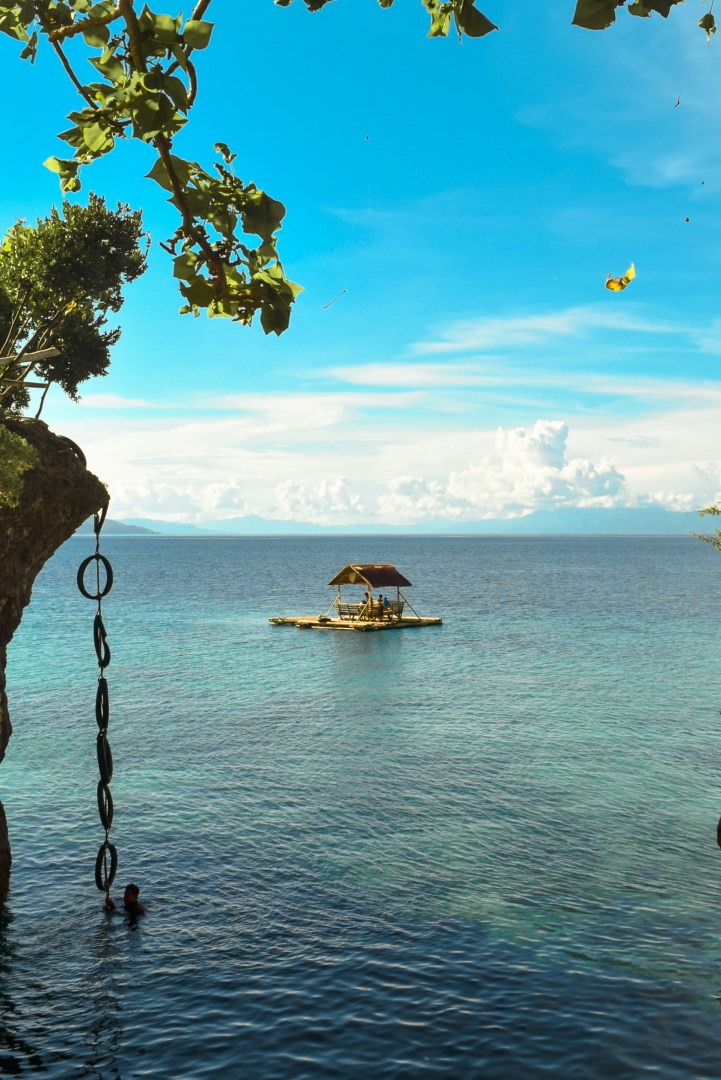
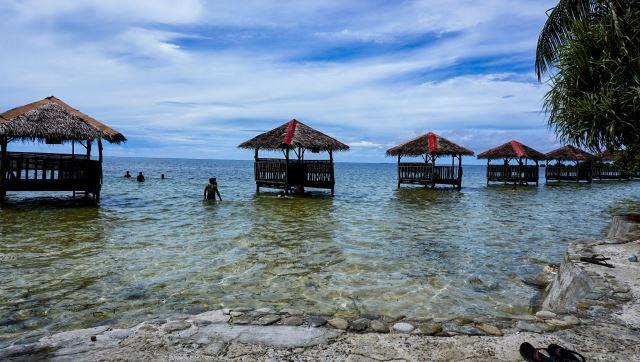
Limasawa is a small island municipality in Southern Leyte, Philippines, located at the southern end of Leyte Gulf. Its landscape is defined by forested hills, rocky and sandy shorelines, clear coastal waters, and small agricultural areas. The island is made up of several barangays, with Limasawa town serving as the local administrative center. Fishing and farming remain important to the local economy, while the surrounding waters support coral reefs and other marine habitats. Limasawa is particularly well known for its connection to one of the most significant episodes in Philippine history.
Limasawa holds an important place in Filipino Catholic and maritime history because it is traditionally identified as the site of the first recorded Christian Mass in the Philippines. The island is also associated with Rajah Siawi, a local ruler mentioned in accounts of the expedition led by Ferdinand Magellan. Today, the First Mass Shrine and related monuments commemorate this heritage. The island’s communities retain the customs common to rural Visayan life, including close family networks, fishing traditions, religious celebrations, and communal activities. Christianity is deeply established in local community life.
The island’s main historical attraction is the First Mass Shrine on the hill at Barangay Magallanes, which overlooks the surrounding sea and commemorates the Mass traditionally associated with the Magellan expedition. Limasawa Island is also known for the Limasawa Island Protected Landscape and Seascape, which safeguards coastal and marine habitats. Rocky coves, beaches, coral reefs, and clear waters provide opportunities for swimming, snorkeling, diving, and boating. The island’s elevated areas offer views toward Leyte Gulf and neighboring islands. Its relatively small scale allows visitors to experience both its historical sites and coastal environment within a compact area.
Food on Limasawa reflects the island’s dependence on fishing and small-scale agriculture. Fresh fish, shellfish, coconut, banana, cassava, sweet potato, and other locally grown crops form part of the everyday diet. Seafood may be grilled, stewed, or prepared with vinegar and local seasonings, while rice remains the principal staple. Religious celebrations often include shared meals prepared by families and communities. A distinctive feature of Limasawa is the importance of its maritime setting to both history and daily life: the same surrounding waters that support fishing and transportation also connect the island to the wider communities of Southern Leyte and the Visayas.