
Pinnacle Travel
Professional Personal Service
Mary Jarvis 609.263.0008
Professional Personal Service
Mary Jarvis 609.263.0008

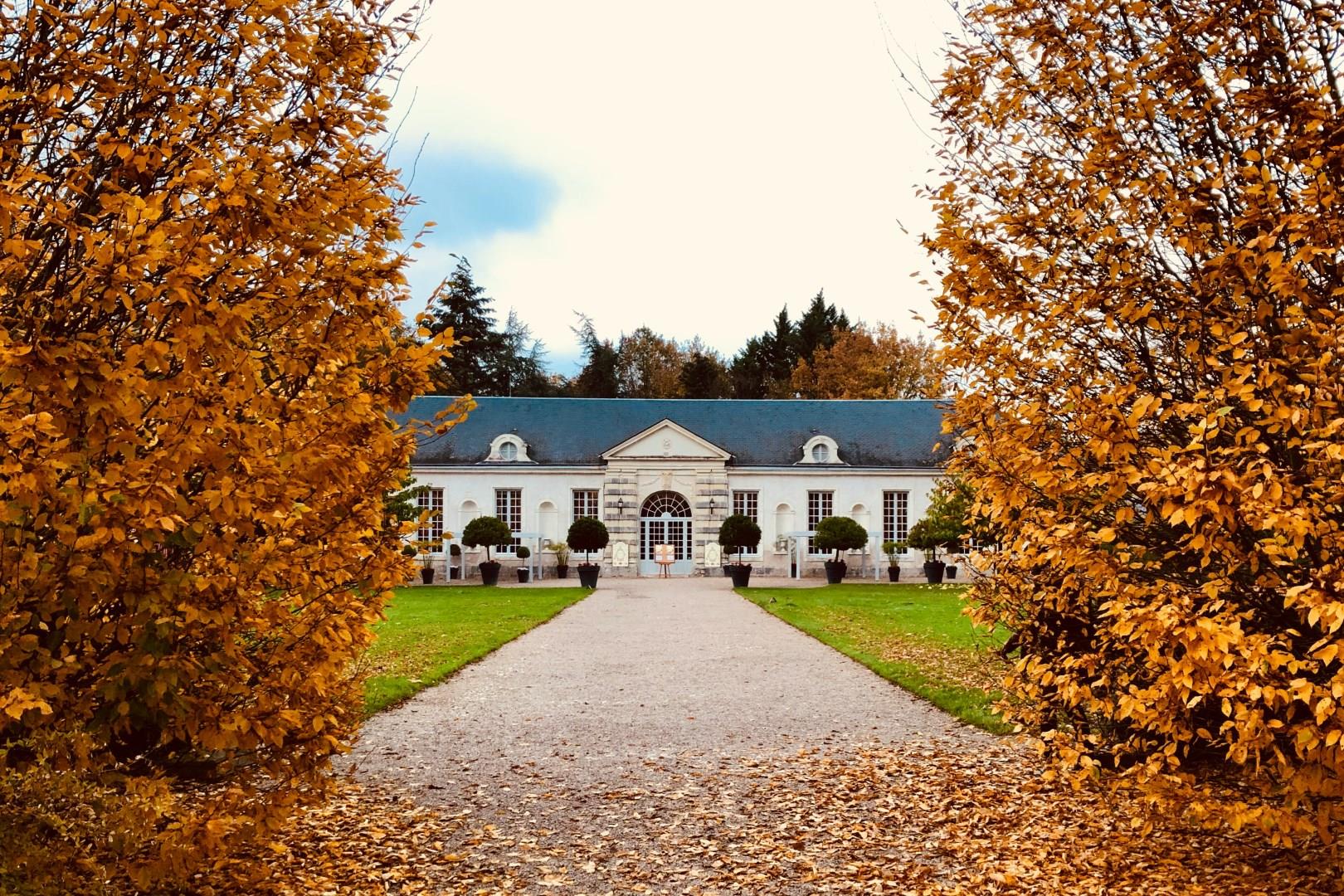
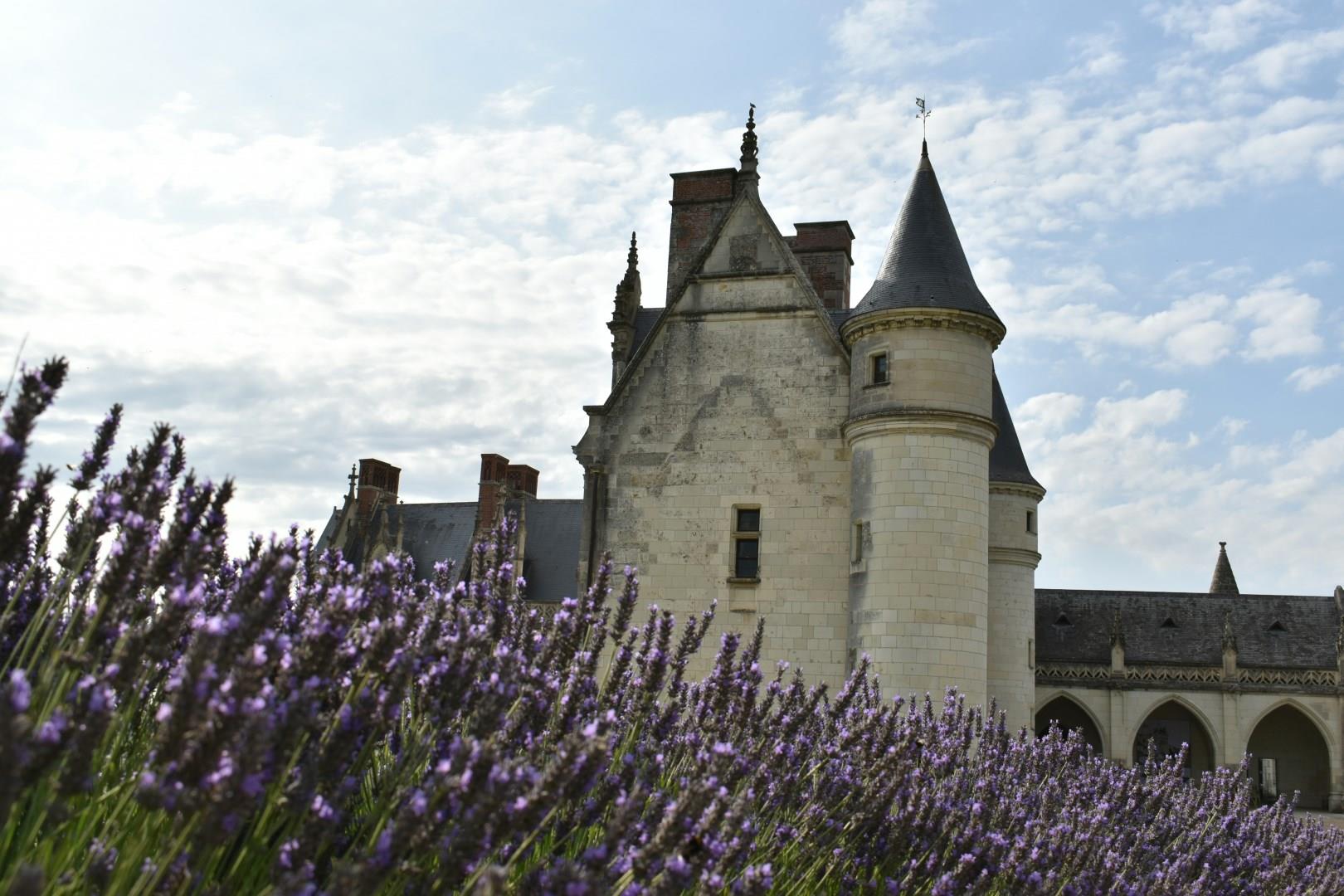
The Loire Valley stretches along the gentle curves of France’s longest river, a place where riverside towns, historic estates and vineyards have shaped daily life for centuries. This long stretch of landscape was recognized as a UNESCO World Heritage Site because of its remarkable cultural landscape, which includes towns like Tours, Blois, Amboise and Saumur and a tapestry of castles standing beside the river banks.
At the heart of the valley are the famous châteaux, French estates that show how architectural styles evolved over time. The immense Château de Chambord stands out with its distinctive towers and spiral staircases linked to Renaissance ideas. Not far away, Château de Chenonceau arches across the River Cher in graceful form, with gardens laid out in patterns that reflect centuries of noble design. Every château tells a different part of France’s story of kings, queens, and artistic tastes.
Life in the Loire Valley isn’t only about stone walls and towers. The region has a lively culinary identity rooted in the soil and the river. Vineyards here produce a wide range of wines, from crisp Sauvignon Blancs around Sancerre to Chenin Blancs and rosés in Touraine, as well as sparkling Crémants near Saumur. Locally made cheeses, such as the straw-shaped Sainte-Maure-de-Touraine, are often enjoyed with freshly baked bread and seasonal produce from village markets.
Throughout the valley, water plays an important role. The Loire River is sometimes called the last wild river in Europe because it still flows freely in many places, shaping broad floodplains, river islands and sandbanks that invite boat rides or riverside picnics. Cycling paths follow the river’s course through rolling vineyards and past orchards, making it easy to experience the varied scenery at a relaxed pace.